The design of mooring systems for floating offshore wind turbines (FOWTs) can benefit significantly from the advancements in mooring technology developed in the offshore oil and gas industry. Research in this field has highlighted fatigue as a primary cause of mooring failures, a concern that is equally critical for the FOWT industry.
Key Fatigue Challenges in FOWT Mooring Systems:
-
- Additional Fatigue Loadings: Unlike typical oil and gas platforms, FOWT platforms experience significant fatigue loads due to wind turbine operations.
-
- Cost-Driven Reductions: To cut capital costs, developers often reduce the number and size of mooring lines and components, increasing vulnerability to fatigue.
-
- Environmental Exposures: FOWT platforms, which are lighter and moored in shallower waters with low to moderate pre-tension, face slack and snap loading conditions.
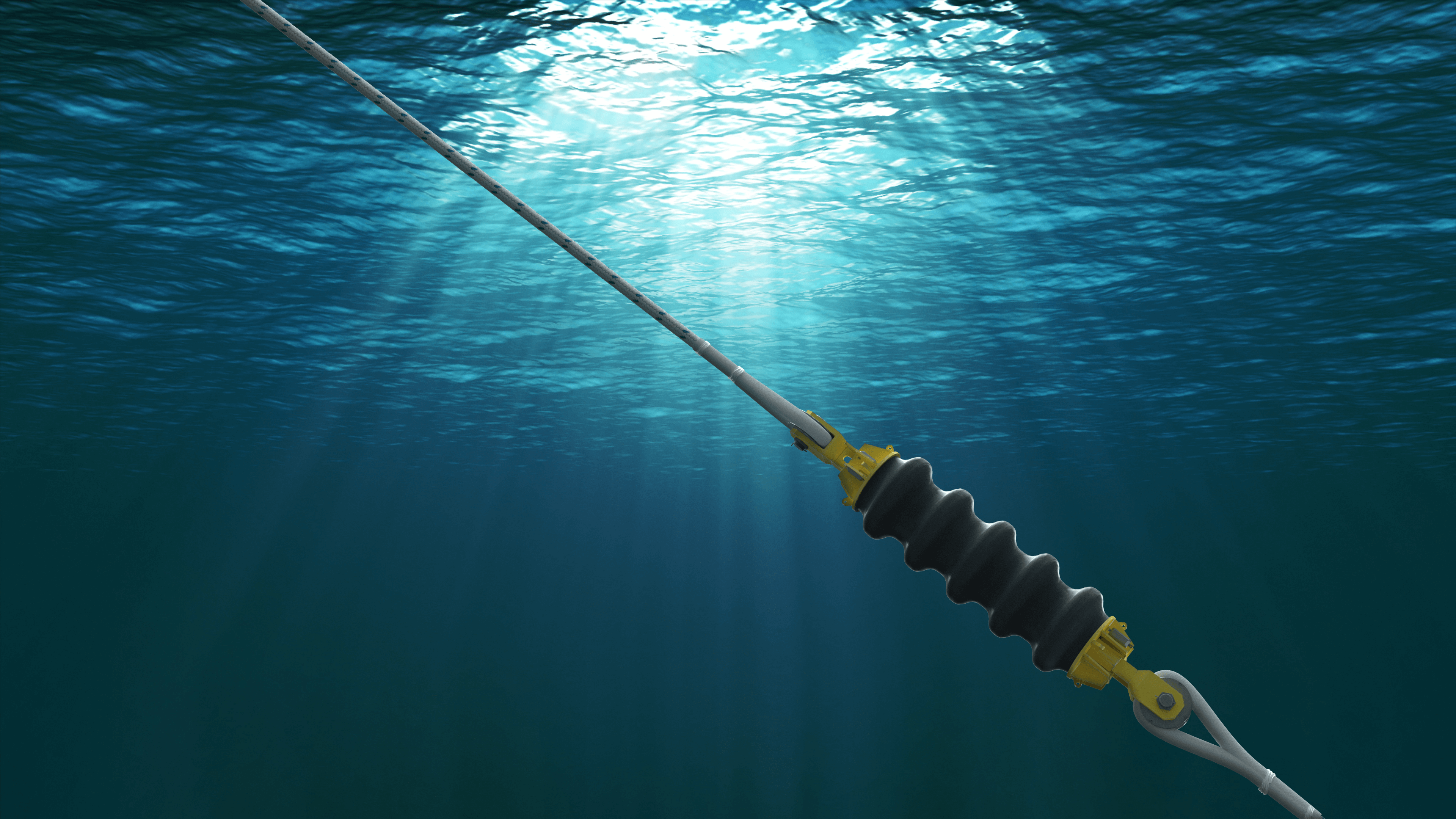
Our latest research introduces SeaSprings as an innovative solution to mitigate these fatigue issues and extend the fatigue life of FOWT mooring systems.
Case Studies Demonstrating SeaSprings Benefits:
-
- Hywind Demo-2.3MW Spar: Extensive fatigue analyses compare the base mooring configuration to one utilizing SeaSprings.
-
- VolturnUS-15MW Semi-submersible: Similar analyses highlight the benefits of SeaSprings in reducing fatigue damages for full scale commercial FOWTs.
Our research demonstrates the significant advantages of SeaSprings in enhancing the fatigue life and overall performance of FOWT mooring systems. This innovation not only addresses critical fatigue issues but also offers a cost-effective solution for the industry.
Enter your email to download the paper:
[email-download download_id=”1446″ contact_form_id=”1445″]
Dan Gill
Commercial Engineering Lead, TFI Marine



 Resources
 Restricted Content